 +91-80471-54732
 sales@truetym.com
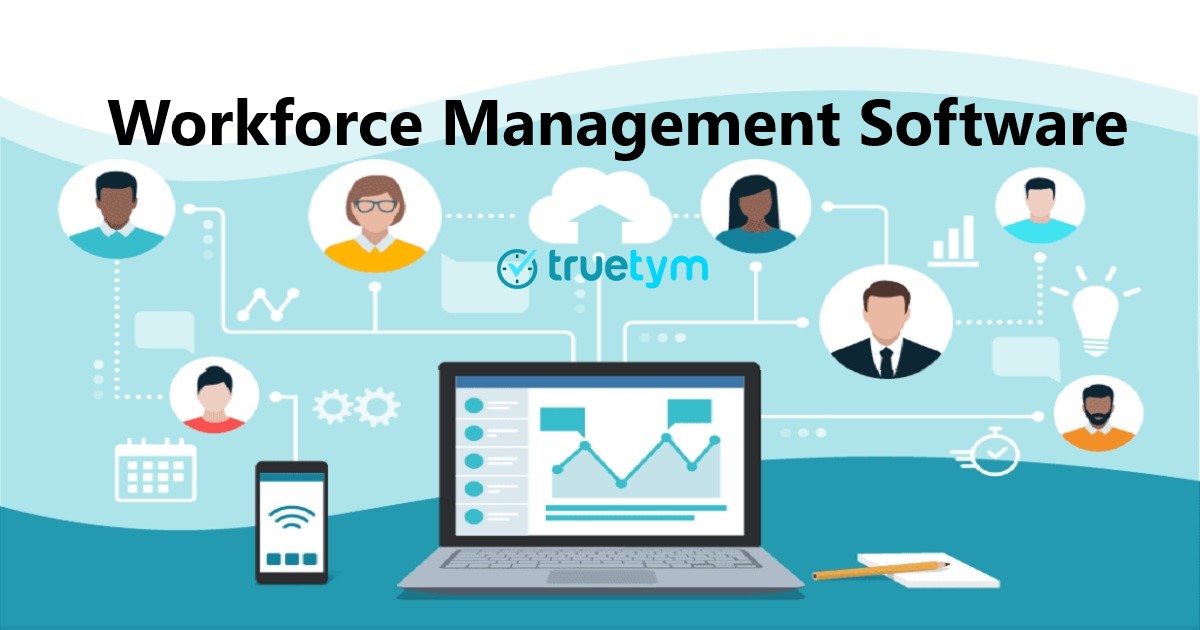
Workforce Management Software in India: Trends to Watch in 2025
Recent Blogs

Formalisation on India’s Labor Market: A Comprehensive Analysis
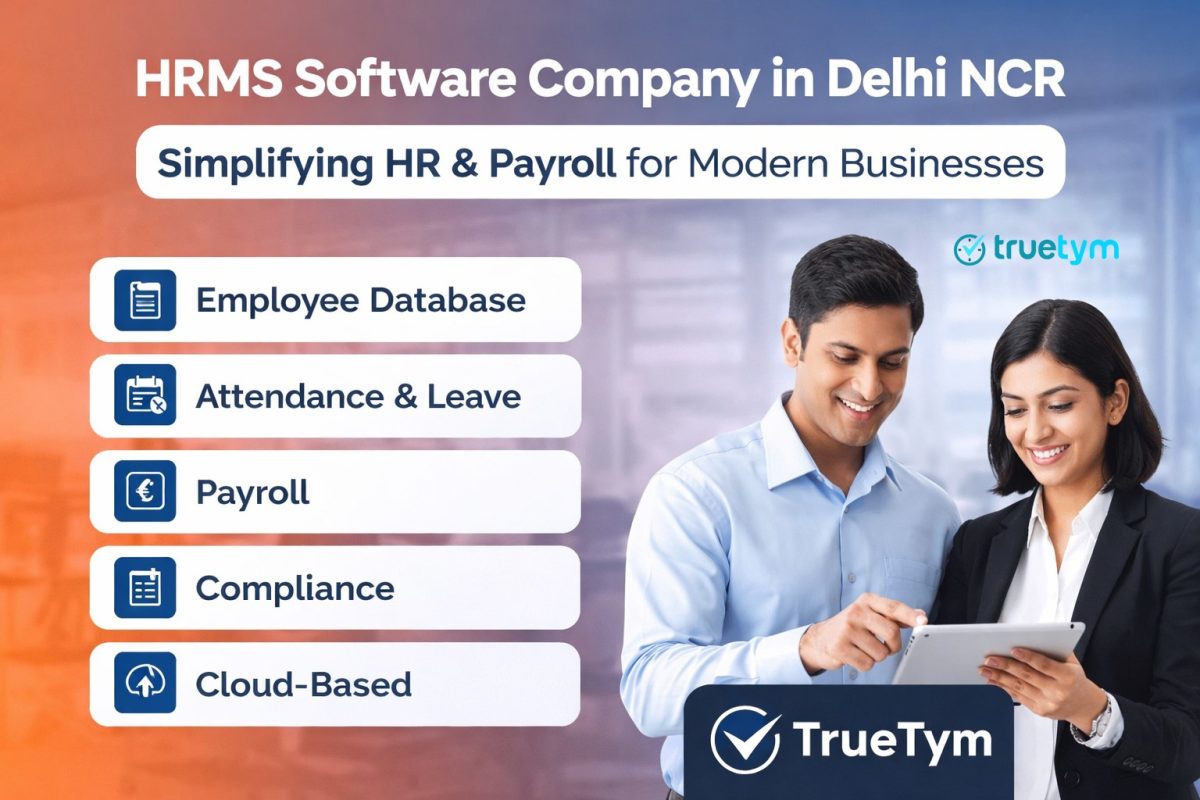
HRMS Software Company in Delhi NCR: Simplifying HR & Payroll for Modern Businesses
Top Workforce Solutions Redefining Efficiency in 2025-Powered by Innovation from Platforms like TrueTym
Managing a modern workforce is not just about tracking attendance or processing payroll—it’s about creating a system that drives productivity, compliance, and employee satisfaction. In India, businesses are rapidly adopting Workforce Management Software (WMS) to meet these evolving needs.
What is Workforce Management Software?
Workforce Management Software (WMS) is a digital solution that helps businesses manage and optimize their employees’ work. It goes beyond just attendance tracking—it provides a complete system to handle scheduling, payroll, compliance, performance, and employee engagement.
In simple words, it’s a tool that helps companies make sure the right people are doing the right work at the right time.
Key Features of Workforce Management Software
1. Attendance & Time Tracking – Automates employee check-in/check-out, leave management, and overtime tracking.
2. Shift Scheduling – Creates smart schedules to ensure proper staffing without conflicts.
3. Payroll Integration – Links attendance data with payroll for accurate salary processing.
4. Compliance Management – Ensures businesses follow labor laws and government regulations.
5. Analytics & Reporting – Provides insights on productivity, employee trends, and costs.
6. Mobile Access – Allows employees and managers to use the software on-the-go.
Benefits of Workforce Management Software
- Saves time and effort by reducing manual HR work.
- Improves accuracy in payroll and compliance.
- Boosts employee productivity and satisfaction.
- Helps businesses make data-driven decisions.
- Supports hybrid and remote work through cloud and mobile apps.
Example in Real Life
Imagine a company with 200 employees. Without WMS, HR has to manually track attendance, prepare payroll, and manage shifts—this takes hours every week and leads to errors.
With Workforce Management Software, everything is automated —attendance is tracked digitally, payroll is calculated instantly, and managers can view performance dashboards in real time.
How Workforce Management Software Works
Workforce Management Software (WMS) works by digitizing and automating HR processes that were traditionally done manually. It collects employee data, processes it in real time, and provides tools for managers and HR teams to make better decisions.
Here’s a simple breakdown of how it works:
1.) Employee Data Collection
- Employees record their attendance using biometric systems, mobile apps, or QR codes.
- Data on working hours, overtime, and leave requests is stored automatically
2. Scheduling & Shift Management
- HR or managers create work schedules within the software.
- The system ensures there are no overlaps or staff shortages.
- Employees can view and request changes directly from their mobile app.
3. Payroll & Compliance Integration
- Attendance data is linked with payroll systems.
- The software automatically calculates salaries, overtime, tax deductions, and benefits.
- Built-in compliance tools help businesses follow Indian labor laws, PF, ESI, and tax rules without errors.
4. Real-Time Insights & Analytics
- Managers get dashboards and reports showing productivity, absenteeism, and workforce trends.
- Predictive analytics can forecast staffing needs and reduce costs.
5. Employee Self-Service
Employees can use self-service portals to:
- Apply for leave
- Check payslips
- Update personal details
- This reduces HR workload and improves employee satisfaction.
Workforce Management Software in India is Transforming Businesses
Workforce Management Software in India is transforming businesses by automating attendance, payroll, and compliance, reducing errors, and boosting productivity. It empowers HR teams with real-time insights, supports remote work, and enhances employee satisfaction—making businesses more efficient and future-ready.
Indian businesses are shifting from manual HR processes to Workforce Management Software (WMS). This digital transformation is helping companies streamline operations, cut costs, and improve employee engagement.
Key Ways It’s Transforming Businesses
1. Automating Attendance & Payroll – No more manual errors; salaries and deductions are processed accurately in minutes.
2. Ensuring Compliance – Keeps organizations updated with Indian labor laws, PF, ESI, and tax rules.
3. Boosting Productivity – Smart scheduling and time tracking ensure the right people are in the right place at the right time.
4. Enabling Remote & Hybrid Work – Cloud-based and mobile-first solutions allow employees to connect from anywhere.
5. Data-Driven Decisions – Real-time analytics help managers track performance and optimize resources.
Boost Productivity with Workforce Management Software
Every business—big or small—wants to get more done in less time. But managing employees, tracking attendance, handling payroll, and ensuring compliance often take up valuable hours. This is where Workforce Management Software (WMS) comes in. It’s a smart solution that helps organizations streamline HR processes, improve efficiency, and boost productivity.
Key Ways It’s Transforming Businesses
As we step into 2025, several trends are shaping how organizations use workforce management software. Let’s look at the key trends you should watch.
1. AI-Powered Workforce Management
Artificial Intelligence (AI) is no longer just a buzzword—it’s becoming a core part of workforce management.
- Predictive analytics will help HR teams forecast absenteeism and plan shifts better.
- AI chatbots will assist employees with HR queries in real time.
- Smart scheduling tools will match employees’ skills with business needs.
2. Cloud-Based HRMS Platforms
Companies in India are moving away from traditional on-premise solutions to cloud-based platforms.
- Easy access from anywhere, anytime.
- Secure data storage and automatic updates.
- Scalable solutions for startups, SMEs, and enterprises alike.
3. Mobile-First Solutions
In 2025, mobile-friendly workforce management apps will dominate the market.
- Employees can mark attendance, apply leave, or check payslips directly from their phones.
- Managers can approve requests and track workforce performance on the go.
- This trend supports hybrid and remote work setups.
4. Integration with Payroll & Compliance
Payroll errors are costly and frustrating. Workforce management software in India is now designed with seamless payroll integration:
- Automatic calculation of salaries, overtime, and deductions.
- Real-time compliance with Indian labor laws and tax regulations.
- Reduced manual errors and faster processing.
5. Employee Experience & Engagement
2025 is all about employee-centric HRMS tools.
- Self-service portals for employees to manage their data.
- Real-time feedback and performance dashboards.
- Personalized insights to boost employee satisfaction and retention.
6. Data-Driven Decision Making
Workforce analytics is becoming a game-changer.
- Managers can analyze attendance trends, productivity reports, and attrition risks.
- HR leaders get actionable insights to optimize resource allocation.
- Businesses can make faster, smarter, data-backed decisions.
- Workforce Management Software in India is evolving at a fast pace. In 2025, the focus will be on AI, cloud adoption, mobile-first solutions, payroll integration, and employee experience. Businesses that embrace these trends will not only streamline operations but also build a stronger, more engaged workforce.
- If you’re considering adopting a Workforce Management Solution, now is the best time to prepare for the future.
- Ready to transform your workforce? Explore modern HRMS and Workforce Management Software built for Indian businesses today.
Conclusion
In conclusion, adopting modern Workforce Management Software is no longer optional—it’s essential for business growth. Whether it’s ensuring compliance, automating payroll, or improving staff scheduling, the benefits are clear. Industries like healthcare and hospitality rely heavily on efficient staff allocation and real-time monitoring, making workforce management for healthcare and hospitality a game-changer in boosting productivity, reducing costs, and delivering better employee and customer experiences.